

The Exciting World of Chicken Road Racing
Chicken road racing is an exhilarating and whimsical sport that has captured the imagination of many. Originating from rural communities where chickens were often kept as pets, this unique pastime has evolved into a competitive event that draws participants and spectators alike. Whether you’re a seasoned fan or a newcomer looking to learn more about this peculiar yet entertaining activity, you’re in for a treat! For a deeper dive into the details, check out chicken road race chickenroadrace.online.
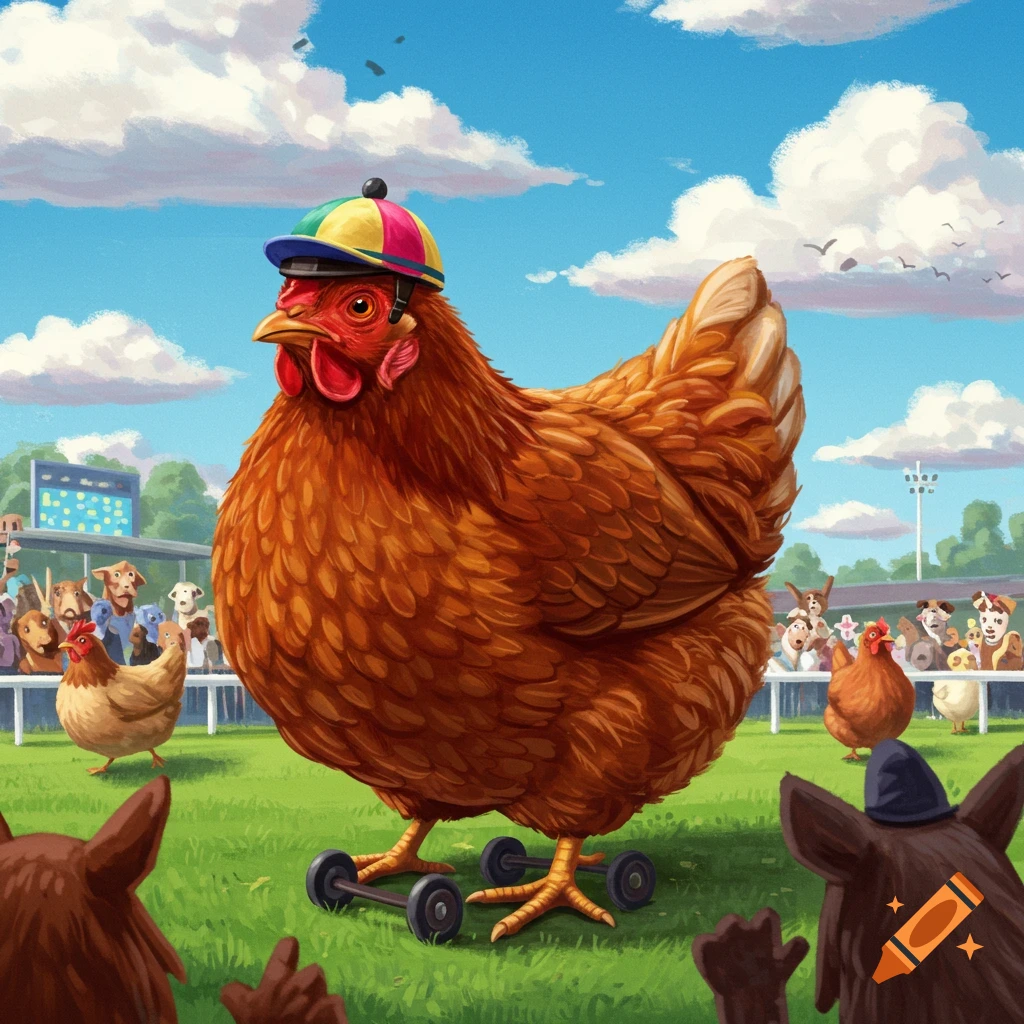
A Brief History of Chicken Road Racing
The roots of chicken road racing can be traced back to farmyard competitions where farmers would pit their best birds against each other in informal races. These events were usually held during local fairs or festivals as a way for communities to come together and celebrate their agricultural heritage. Over time, as the popularity of these races grew, they began to take on a more organized form.
The first official chicken road race was documented in the mid-20th century, when local farmers and enthusiasts began to formalize the rules and regulations surrounding the sport. This led to the establishment of dedicated racing leagues and events, making chicken road racing a recognized sport in various regions.
What Makes Chicken Road Racing Unique?
One of the most fascinating aspects of chicken road racing is the diversity of breeds that can participate. While the most common breed seen in races is the Rhode Island Red, other breeds like the Leghorn, Sussex, and Cornish are also popular. Each breed brings its own unique characteristics to the race, including speed, stamina, and temperament.
Races are typically held on long, straight tracks, often measuring several hundred meters in length. The goal is simple: encourage the chickens to run as fast as they can, with the fastest bird being declared the winner. Participants often use innovative techniques to get their chickens to sprint, ranging from treats to specialized training regimens. This adds an element of strategy to the sport, making it not just a test of speed but also of the racers’ knowledge and understanding of their birds.
The Culture of Chicken Road Racing
Chicken road racing has developed its own unique culture, characterized by colorful personalities, enthusiastic fans, and vibrant events. Local races often resemble festive fairs, complete with food stalls, games, and live entertainment. Spectators cheer for their favorite birds and owners, creating an electric atmosphere that is both supportive and competitive.
Many racers and fans view the event as a celebration of community and agricultural traditions. It serves as an opportunity for families to come together, share stories, and enjoy a day in the sun. The jovial nature of the sport fosters camaraderie among participants and spectators alike, making it an enjoyable experience for all involved.
How to Get Involved
If you are interested in getting involved in chicken road racing, there are several ways to do so. First, consider joining a local racing club or organization. Many regions have established groups dedicated to promoting the sport and organizing events. These clubs often provide resources and training for new racers, helping them learn the ins and outs of the sport.
If you’re not ready to race but still want to experience the excitement, attending a local chicken road race as a spectator is a great option. These events can be found at fairs, festivals, and agricultural shows, and they offer a chance to see the action firsthand while enjoying the festive atmosphere.
Training Your Chicken for the Race
For those aspiring to train their chickens for the races, there are several tips and strategies that can increase the chances of success. First and foremost, it’s essential to choose a breed known for its speed and agility. Once you have selected your bird, it’s time to begin the training process.
One effective method of training is to create a routine that includes short sprints in a controlled environment. Start with small distances, gradually increasing the length as your chicken becomes more comfortable. Incorporating treats as rewards can also encourage your chicken to run faster. Additionally, ensuring your bird receives a balanced diet and adequate exercise is vital for optimal performance on race day.
Safety Considerations
Like any sport, safety is a top priority in chicken road racing. Ensuring the wellbeing of the birds is crucial, and responsible racers must take measures to protect their chickens from injury or stress. This includes providing adequate hydration, a safe racing environment, and proper handling techniques.
Organizers of racing events typically enforce regulations regarding the health and treatment of the chickens, ensuring that they are fit to compete. Participants are encouraged to be knowledgeable about their birds’ needs and to prioritize their well-being throughout the racing process.
Conclusion
Chicken road racing is a delightful blend of sport, strategy, and community spirit. Its unique charm and lively environment make it a favorite among participants and spectators alike. Whether you’re looking to enter the world of racing or simply want to enjoy the festivi
ties, there’s something for everyone in this quirky sport. So grab your favorite chicken, head to a local race, and immerse yourself in the fun of chicken road racing!